
2026 SCHOLARSHIP AWARDEE
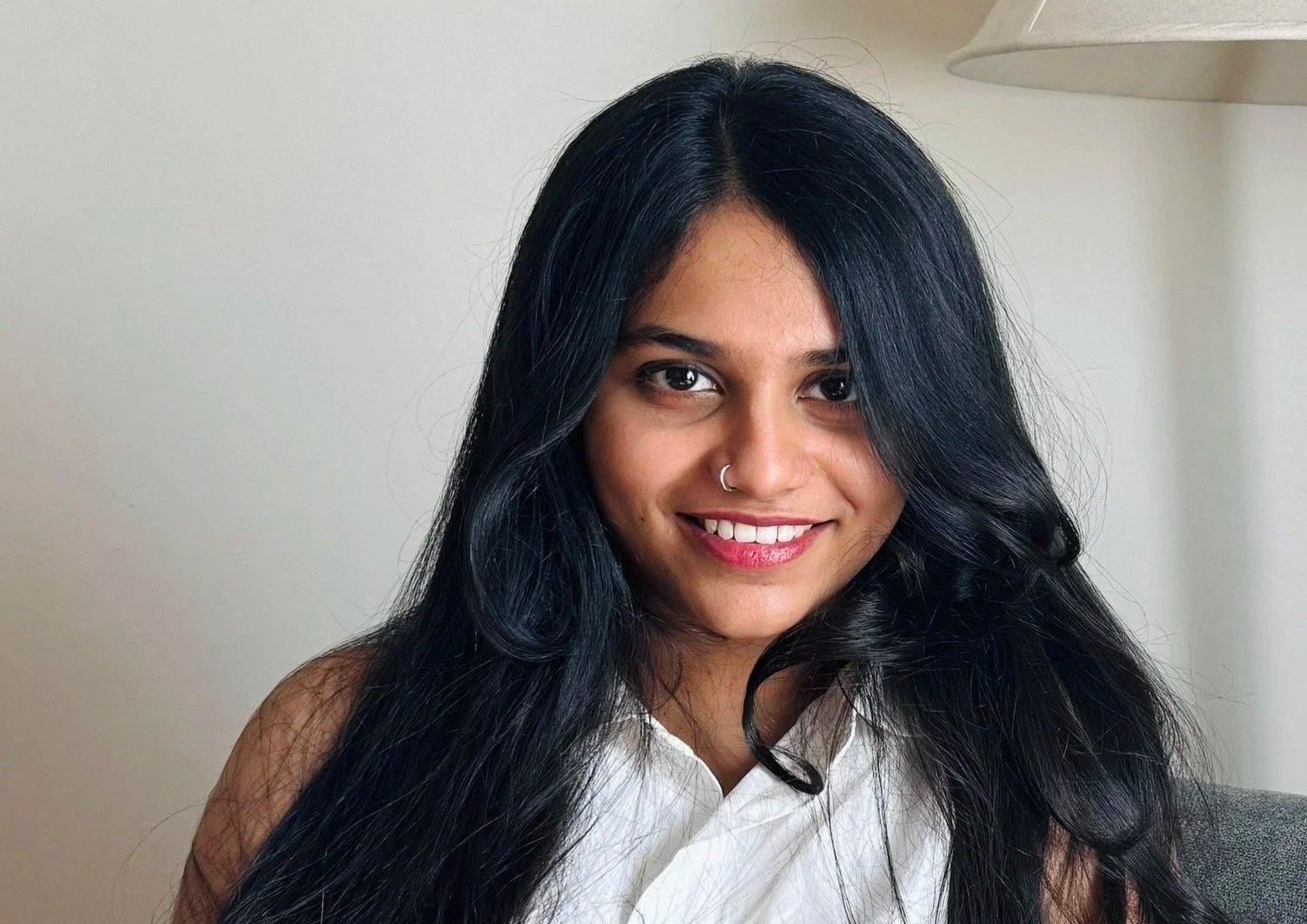
Aiswarya Raj
Aiswarya Raj is an Indian journalist with five years of experience in print journalism, spanning editing and investigative reporting. In her former role, she was a resident correspondent in a northern Indian region, where she covered governance, procurement policy, law enforcement, and politics.
For the last two years, she has been focusing on one question: Who gets allocated contracts and how is public money spent? She tries to answer them using the right to information law as the primary reporting tool. By filing information requests, tracing contract documents, and testing official claims against the paper trail, she has reported on the foray of private companies owned by people close to political power to document the rigging of procurement policies to reward patronage.
Aiswarya has also been closely looking at the rise of Hindu nationalism in India by investigating the claims made by political leaders against partisan policies and their implementation. She has analysed criminal cases registered against people from religious minorities that crack down on their rights to religious freedom to understand how majoritarian policies are framed to assuage the anxieties of the majority community.
In one of her recent stories, she covered the procurement of flight operators in civil aviation in an Indian state and revealed the gap between what institutions state officially and what they sign off on. These decisions have implications for the lives of ordinary people, impervious to the decisions made behind closed doors, and she feels the need to make these records public.
Currently, she is a student in the M.A. program at Columbia University’s Graduate School of Journalism, with a concentration in Politics, and was admitted with a scholarship from the Inlaks Shivdasani Foundation. At Columbia, she is grappling with questions on journalism, ideas of right-wing mobilisations, nationalism, state control, and citizenship, and is working to deepen her investigative skills and improve political analysis by learning from faculty and peers who are also at a critical juncture in journalism.
Going forward, Aiswarya plans to return to report on India and the larger South Asia region and conduct collaborative, cross-border storytelling from the subcontinent. In addition to Columbia’s resources and education, the Association of Foreign Press Correspondents in the United States could provide her with access to networks of journalists who go beyond the narrative of hypernationalism prevalent in local media to cover a volatile region home to violent regime changes and extreme weather events.
